Identity Resilience: Why Identities Are the New Primary Attack Vector for Utilities in 2025

Compromised identities are among the greatest cybersecurity risks facing municipal utilities and energy providers. Discover how Identity Resilience helps protect digital identities, detect attacks at an early stage, and strengthen the security of critical infrastructure.

The Critical Role of Digital Identities in Utility Cybersecurity

Driven by global geopolitical developments and Europe’s growing focus on digital sovereignty, digital transformation is gaining new momentum. Municipal utilities and energy providers, in particular, are undergoing a fundamental—often disruptive—transformation. Smart city technologies, IoT solutions, e-mobility, smart metering, and the increasing adoption of renewable energy are reshaping the energy sector and fundamentally changing how critical infrastructure is operated.
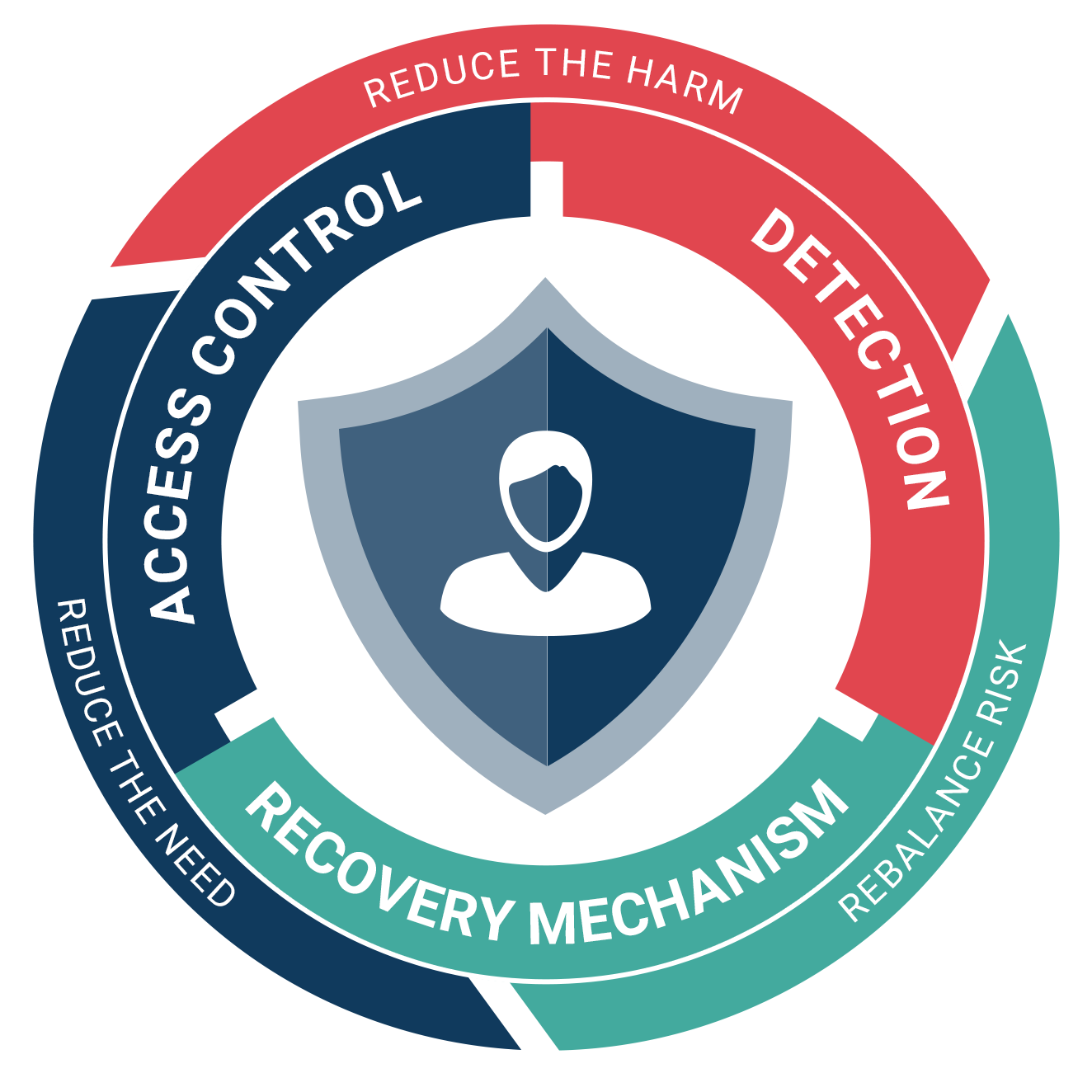
Identity Resilience Grafik - Access Conrol, Detection, Recovery Mechanism

However, this transformation also creates new opportunities for cybercriminals. Well-organized threat actors, operating globally and increasingly equipped with AI-powered tools, have realized that compromising an existing user account is often far easier than attacking infrastructure directly. As a result, digital identities have become a primary target because they provide direct access to systems, data, and critical infrastructure. In 2025, compromised identities represent one of the most significant cybersecurity threats facing energy and utility companies.


Identity Resilience Stadtwerke - Wasseraufbereitungsgelände

Identities in the Crosshairs of Attackers

Cybercriminals have long recognized that stealing identities is often more effective than exploiting technical vulnerabilities. Techniques such as phishing, credential stuffing, MFA bypass attacks, and the abuse of privileged service accounts have become the most common entry points.

For municipal utilities, particularly critical risks include:

  • Outdated authentication methods in legacy SCADA and ERP environments
  • Insufficient protection of privileged accounts, including administrator and service accounts
  • Limited visibility into the organization’s identity landscape due to shadow IT or decentralized IT structures
  • Employees as the primary attack vector, where social engineering can also be used to obtain valuable industry-specific insider knowledge

Small and medium-sized utility companies are increasingly becoming attractive targets for attackers seeking to disrupt operational processes or steal sensitive customer information. Digital identities provide access to operational technology (OT), customer management systems (CRM and customer portals), ERP platforms, and internal business applications such as HR systems and email.

Identity Resilience Stadtwerke - Mann in einer Versorgeranlage

Growing Pressure on Utility Companies

With cyberattacks continuing to increase and regulatory requirements becoming more stringent—including KRITIS regulations and the implementation of the NIS2 Directive into German law—utility providers face growing pressure to strengthen their cybersecurity posture. Executive management is also increasingly subject to personal liability for compliance failures.

A strong Identity Resilience strategy has therefore become essential. It not only improves IT security but also supports operational continuity, customer trust, regulatory compliance, and long-term success in digital transformation.

Building Identity Resilience

Strengthening an organization’s identity landscape requires a tailored strategic approach that typically includes the following steps:

  • Establish visibility: Identify and inventory all digital identities, including employees, systems, applications, and service accounts.
  • Implement Zero Trust principles: Verify every access request regardless of location, device, or user role—trust should never be assumed.
  • Enforce strong authentication: Make Multi-Factor Authentication (MFA) the standard, particularly for privileged accounts and remote access.
  • Deploy Privileged Access Management (PAM): Protect highly privileged accounts with dedicated security controls, monitoring, and logging.
  • Monitor identities continuously: Use intelligent threat detection combined with 24/7 monitoring by experienced analysts in a modern Security Operations Center (SOC).
  • Raise employee awareness: Conduct regular training on phishing, social engineering, and the secure handling of credentials.

Today’s question is no longer whether a cyberattack will occur—but when a utility provider will become a target. Because energy providers operate critical infrastructure, protecting digital identities requires a particularly proactive approach. Now is the time to reassess your identity strategy—before attackers do it for you. Independent cybersecurity specialists with extensive experience in the utility sector can provide valuable support in designing and implementing an effective Identity Resilience strategy. 

What Is Identity Resilience?

Identity Resilience is an organization’s ability to protect digital identities from compromise, prevent unauthorized use, detect identity-related attacks quickly, and minimize the impact of security incidents before they can disrupt business operations.

Newsletter

Stay Informed

Subscribe to our newsletter to receive regular insights into Identity & Access Management.

    By subscribing, you agree to our Privacy Policy.

    Read More

    Related Articles

    Ready for an Initial Consultation?

    Let's assess together how resilient and future-ready your Identity & Access Management strategy really is.