Increasing Efficiency Through Identity and Access Management (IAM)

Modern Identity & Access Management (IAM) transforms IT from a reactive service provider into a strategic business enabler. Discover how automated identity and access processes reduce costs, minimize security risks, and accelerate digital transformation.

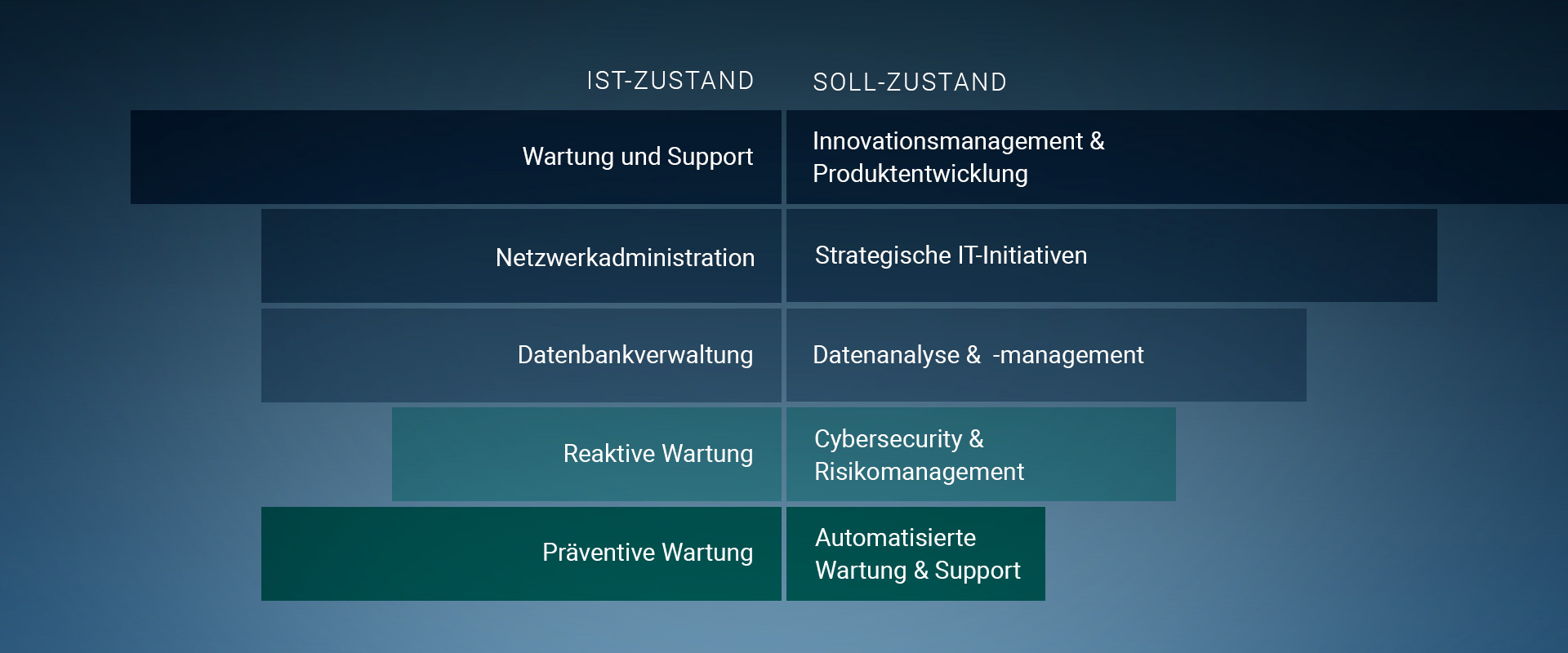
As digitalization continues to advance, the traditional reactive support role of the IT department is no longer sufficient. In fact, it can prevent organizations from realizing their full digital potential. To become a true business enabler, IT must not only adopt a new mindset but also eliminate—or automate wherever possible—legacy processes and repetitive daily tasks. Identity and Access Management (IAM) serves as a key driver of modern IT infrastructures and helps organizations take this important step.
Effizienz steigern

IAM systems significantly improve organizational efficiency by automating recurring tasks, providing self-service capabilities, and strengthening security. In this article, we explore how IAM can increase efficiency across your organization and the benefits it delivers.


Cybersecurity - Analytische Skala

Automating Access Processes

IAM systems automate many recurring tasks that have traditionally been performed manually. This saves time, reduces errors, and significantly relieves the workload of IT departments.

Automated User Provisioning and Deprovisioning

When employees join or leave the organization, user accounts can be created or removed automatically. By integrating HR systems with IAM solutions, this process becomes seamless. Automating these workflows minimizes the risk of errors while significantly reducing administrative effort.

Automated Role and Access Management

Based on predefined role models, users are automatically assigned the appropriate access rights. This ensures consistent and secure access management. Automated role and entitlement management also allows organizational changes to be implemented quickly and efficiently without requiring manual intervention.

Self-Service Capabilities

IAM systems provide self-service portals that allow users to perform certain tasks independently without involving the IT department. This increases productivity while reducing administrative overhead.

Password Resets

Users can reset their own passwords, significantly reducing the number of help desk requests. Implementing password self-service minimizes employee downtime and improves overall productivity.

Access Requests

Users can request additional access rights through a self-service portal, where requests can be approved by the responsible business manager. This not only accelerates the approval process but also reduces the administrative burden on IT departments. As a result, organizations can respond more quickly to changing business requirements while significantly improving the user experience.

Centralized Management

A centralized IAM system enables consistent management of all users and access rights across multiple systems and applications—without losing visibility into the local Active Directory environment.

Reducing Redundancy

Centralized management eliminates duplicate data and processes, resulting in greater operational efficiency. A single source of truth for identities and access rights reduces the effort required for data reconciliation and correction.

Improved Visibility

Administrators gain a comprehensive overview of all access rights and can efficiently manage and review them. This improves control over IT resources while enabling security gaps to be identified and resolved more quickly. During external cyberattacks in particular, this advantage can save valuable time and help prevent more serious consequences for the organization.

Enhanced Security Measures

IAM strengthens security and reduces the risk of security breaches, which indirectly increases efficiency. The time required to respond to cyberattacks and remediate their consequences has a significant impact on IT productivity. Fewer security incidents mean less time spent on incident response and more time available for strategic initiatives.

Multi-Factor Authentication (MFA)

MFA strengthens security by significantly reducing the risk of security incidents. It also supports compliance with regulatory requirements such as the NIS2 Directive, which explicitly references the implementation of MFA within organizations. This can considerably reduce the effort required to demonstrate compliance to regulatory authorities and business partners.

Strict Access Controls

Strict access controls prevent unauthorized access to sensitive data and systems, creating a secure and stable IT environment. This builds trust among customers and business partners while positively influencing the organization’s reputation and overall business performance. In addition, strong access controls support compliance with data protection regulations such as the GDPR.

IAM & Compliance

Compliance and Audit Readiness

IAM systems simplify compliance with legal requirements and internal policies through comprehensive auditing and reporting capabilities. As a result, time-consuming manual information gathering becomes unnecessary, allowing IT departments to focus more on strategic initiatives.

Automated Compliance Reporting

IAM systems automatically generate reports that document regulatory compliance, reducing the effort associated with manual audits. This enables organizations to remain audit-ready at all times while minimizing compliance risks.

Audit Trails

Complete and traceable records of all access activities enable rapid and efficient reviews during security incidents or compliance audits. This increases transparency and accountability throughout the organization while reducing the risk of uncontrolled data leakage.

Integration with Other Systems

IAM systems integrate seamlessly with other IT systems and applications, creating a harmonized and efficient IT infrastructure. In addition, implementing an IAM solution can reduce the time required to provision systems for new employees to just a few minutes while significantly lowering the number of IT support tickets.

Single Sign-On (SSO)

Single Sign-On allows users to access multiple applications with a single authentication, improving usability while reducing administrative effort. SSO enhances the user experience and decreases login-related support requests. Furthermore, some IAM systems and add-on solutions support passwordless authentication, helping IT evolve into a true business enabler while simultaneously increasing organizational resilience against phishing attacks.

Provisioning and Deprovisioning

Automated provisioning and deprovisioning processes across multiple systems improve both efficiency and accuracy. Users receive immediate access to the resources they need, while unnecessary access rights are revoked without delay. External employees, for example, can be assigned precisely the permissions required for their responsibilities without placing unnecessary administrative burdens on the IT department for user management or access removal.

Newsletter

Stay Informed

Subscribe to our newsletter to receive regular insights into Identity & Access Management.

    By submitting this form, I consent to the processing of the data I have provided for the purpose of handling my enquiry.
    I may withdraw this consent at any time with future effect. Further information: Privacy Policy.
    Read More

    Related Articles

    Ready for an Initial Consultation?

    Let's assess together how resilient and future-ready your Identity & Access Management strategy really is.